Pirate Radio Stories #1: Hijacking BBC Radio 3
Ever wondered how the BBC provides its radio services nationwide in the UK?
In the 1990s the principle was line-of-sight relay. Microwave signals (broadcast distribution sat in the SHF bands, roughly 2–15 GHz) travel in straight lines and formed a chain: a series of relay stations on hilltops or tall towers, each one spaced just inside the horizon of the next.
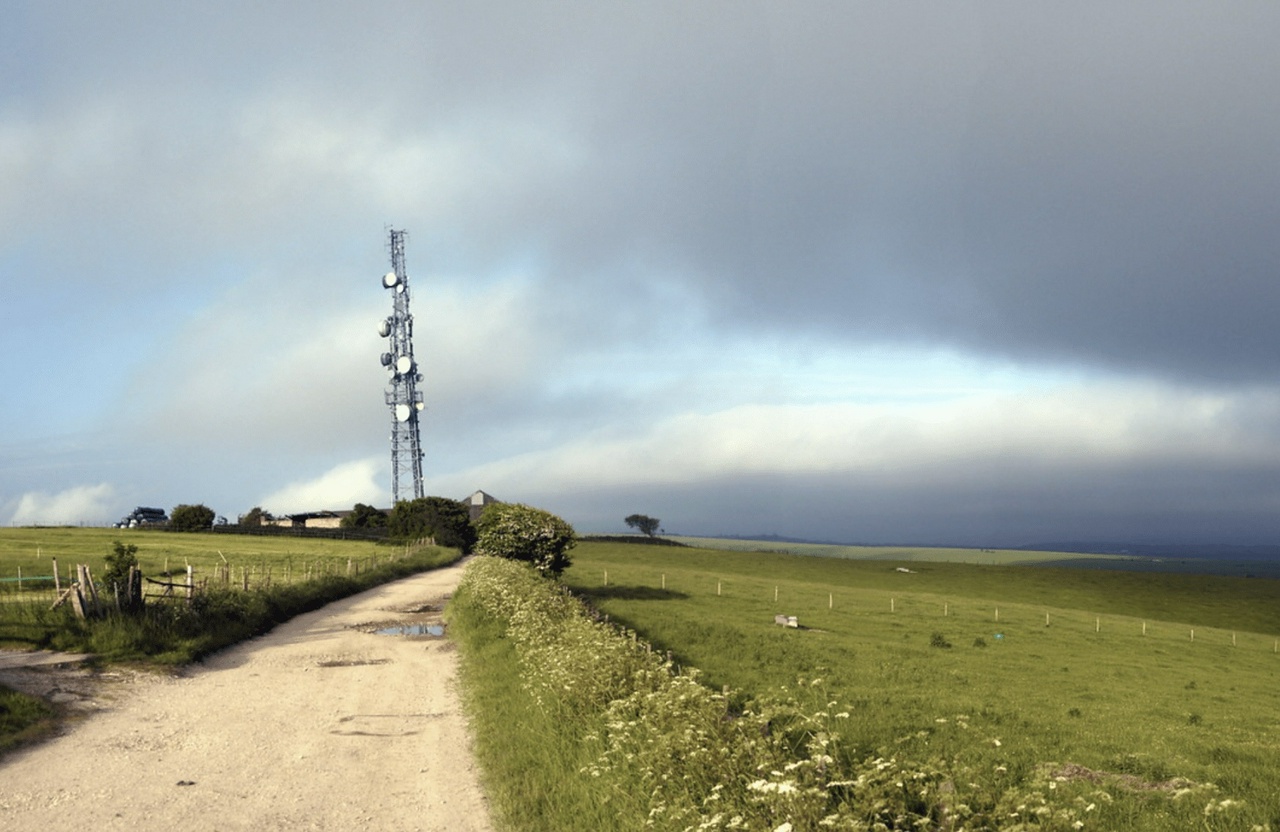
Each link in the chain did the same job. A microwave dish received the incoming beam (these looked like large white drums and are still seen here and there), the station amplified and reconditioned the signal, broadcasting on FM to the surrounding area with another microwave dish retransmitting it on a slightly different frequency to the next station down the line thus achieving national coverage from a linked network.
I’ve always been fascinated by all types of technology from AI to the radio spectrum. In the mid 90s I was just “learning the trade” as a radio engineer. I was tight with a guy who used to build our FM transmitters for us. Somehow he had managed in this pre internet age to get hold of all the frequencies for the BBC repeater network. He also was our indirect source for lots of other useful things like the mythical Fire Brigade or FB keys that gave us access to most tower block rooftops in London.
We’d been discussing the practicality of hijacking a BBC national network by drowning out the official incoming microwave signal with a more powerful one of our own, which then, by nature of the network design, would be passed on down the chain. We thought we could do this if we got close to one of the big repeaters and blasted enough power on the right frequency.
Which is how I found myself one drizzly bank holiday Sunday sat on the roof of a van parked on Truleigh Hill in Sussex pointing a microwave transmitter at the nearby mast. I can’t precisely recall what the source was but it may well have been a DAT of a classic Dreamscape mixtape.
It worked like a charm, confirmed when we rang a mate in Preston and asked him to tune to Radio 3.
Which is how in the mid 1990s Radio 3 listeners found their quiet bank holiday Sunday classical listening suddenly interrupted by half an hour of unadulterated jungle music, which I’m sure caused more than one post-prandial sherry to be spilled.
I am a partner in Better than Good. We help smaller companies build tools and processes using machine learning and artificial intelligence that make lasting improvements to their operations. Talk to us today: https://betterthangood.xyz/#contact